
last thursday we spent a beautiful afternoon with our dear friend fernando dory and his sheep in casa de campo, madrid
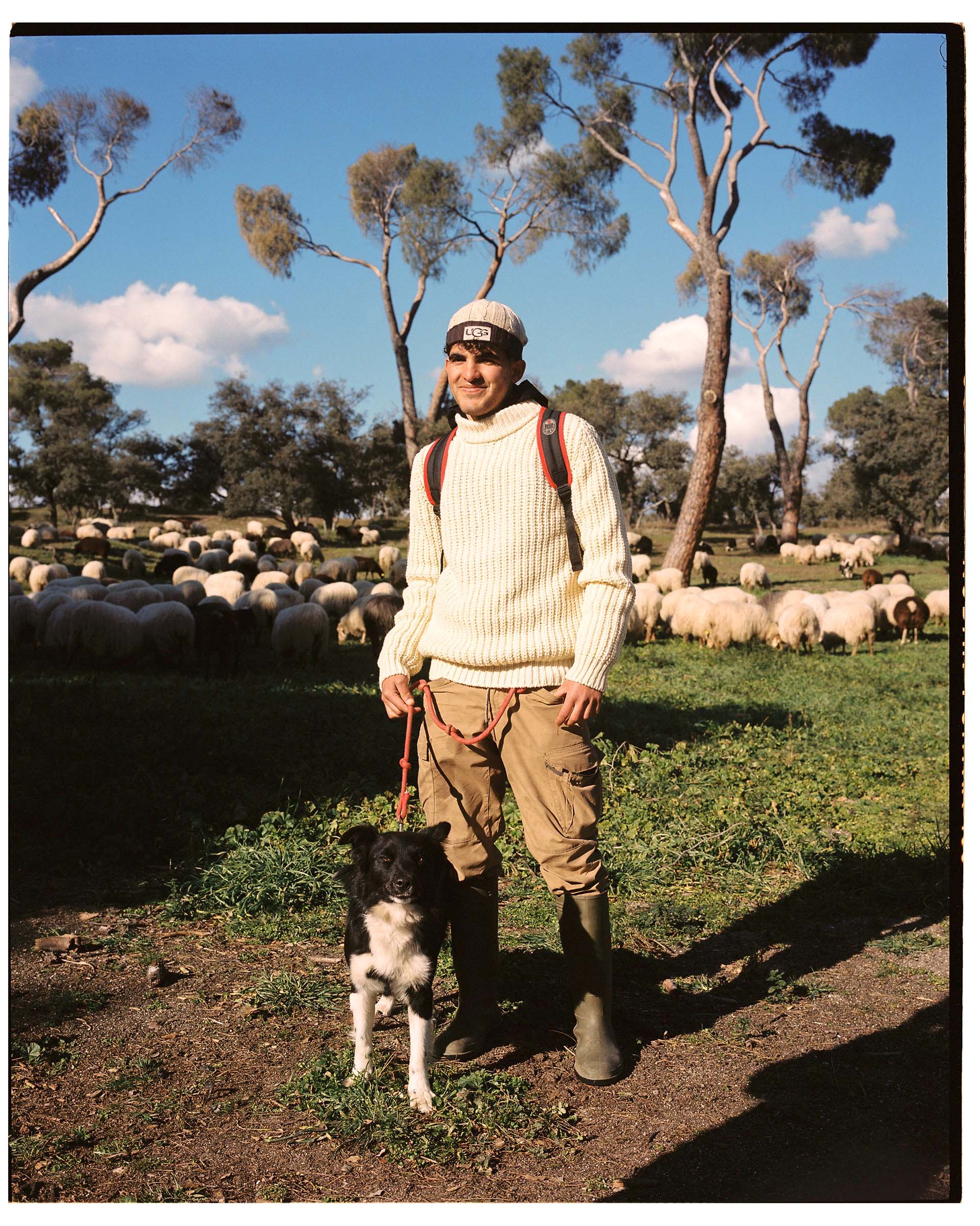
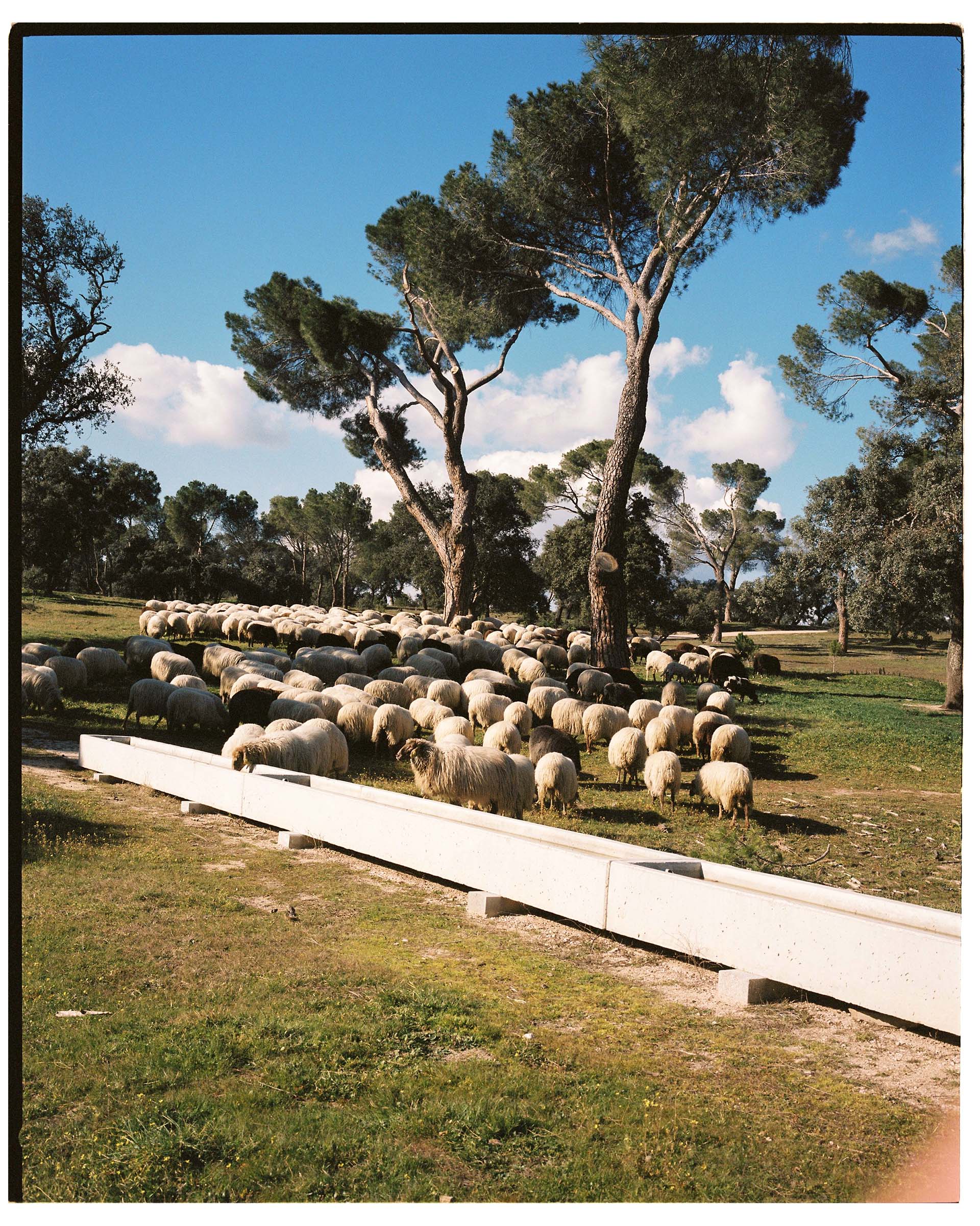
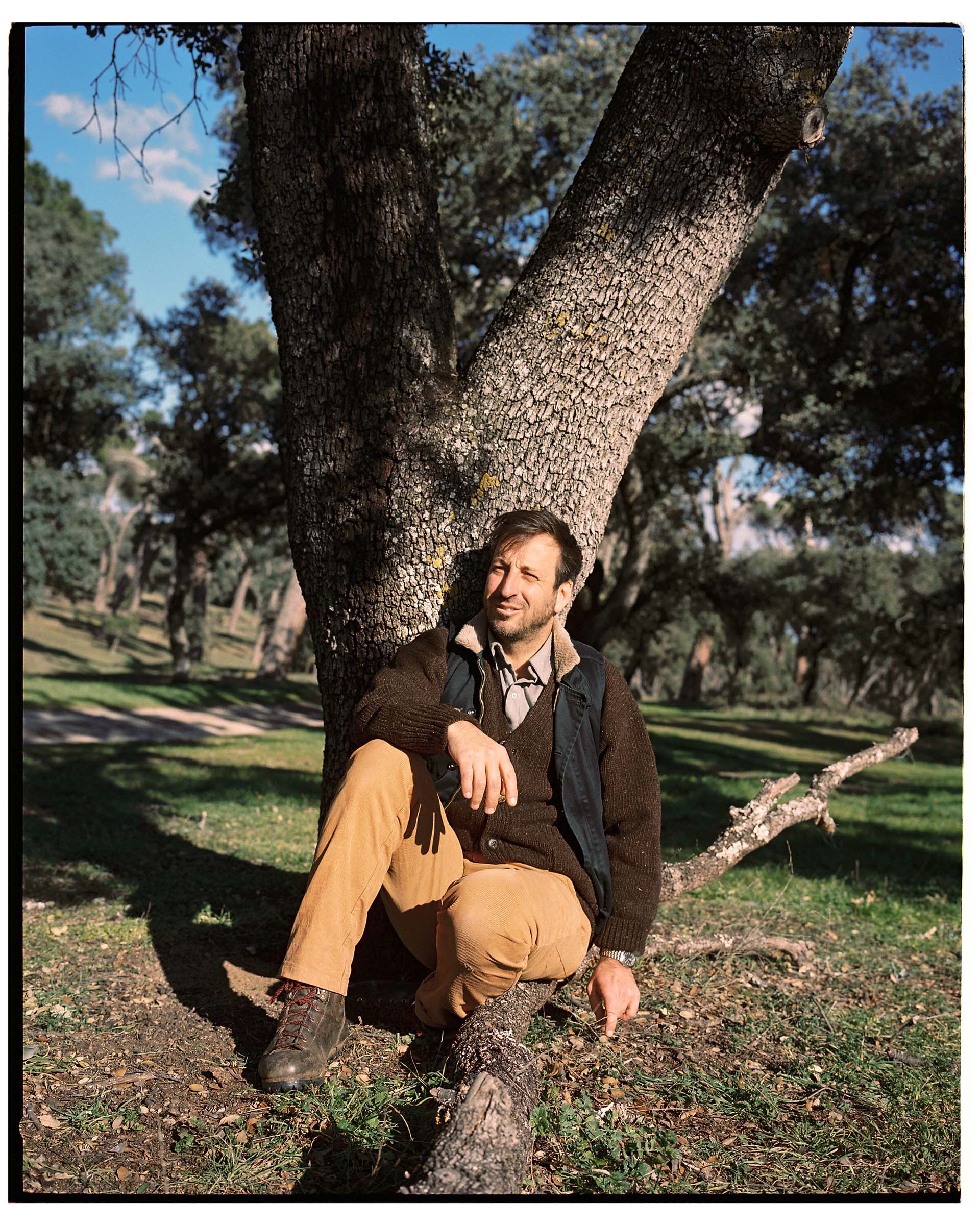
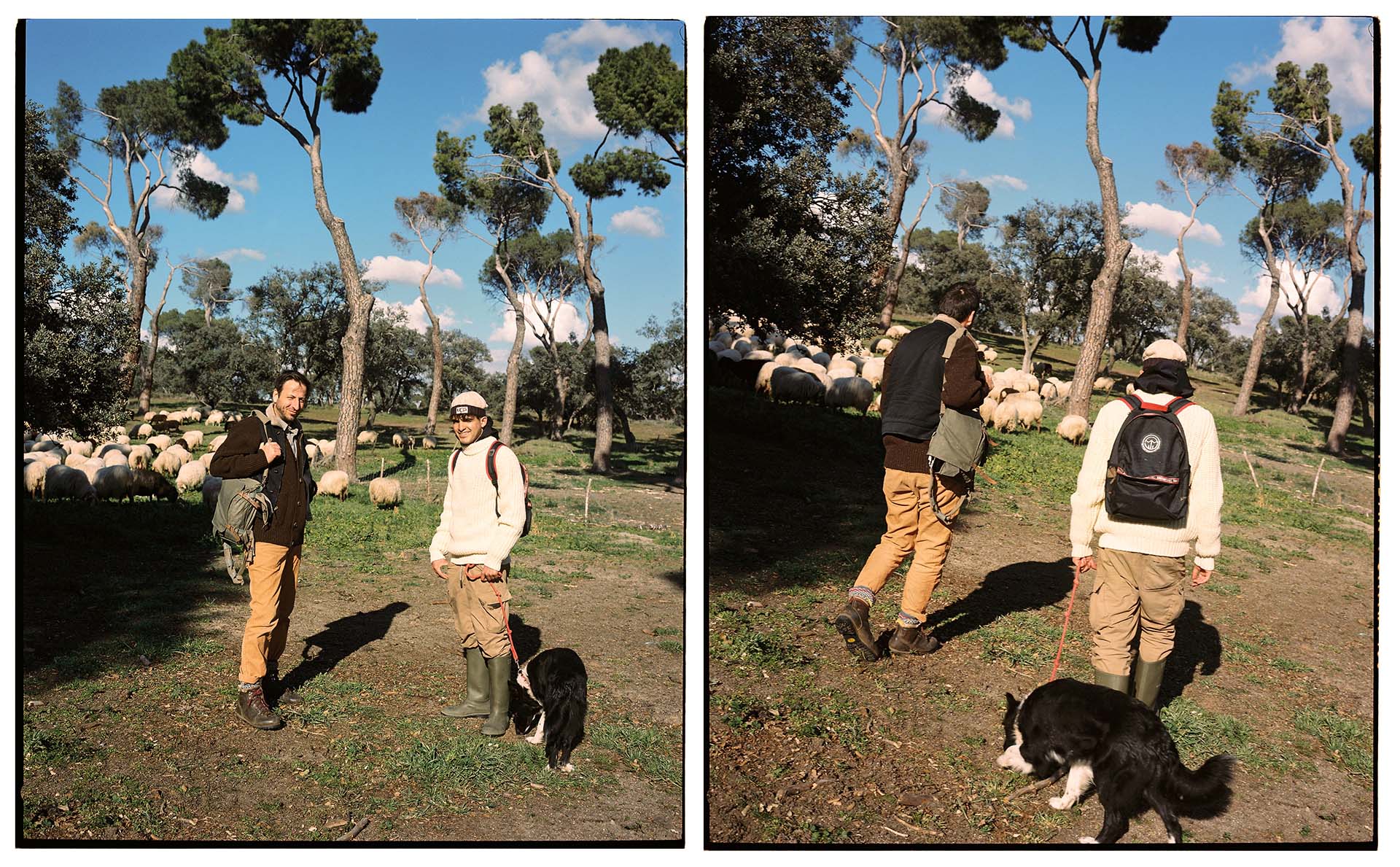
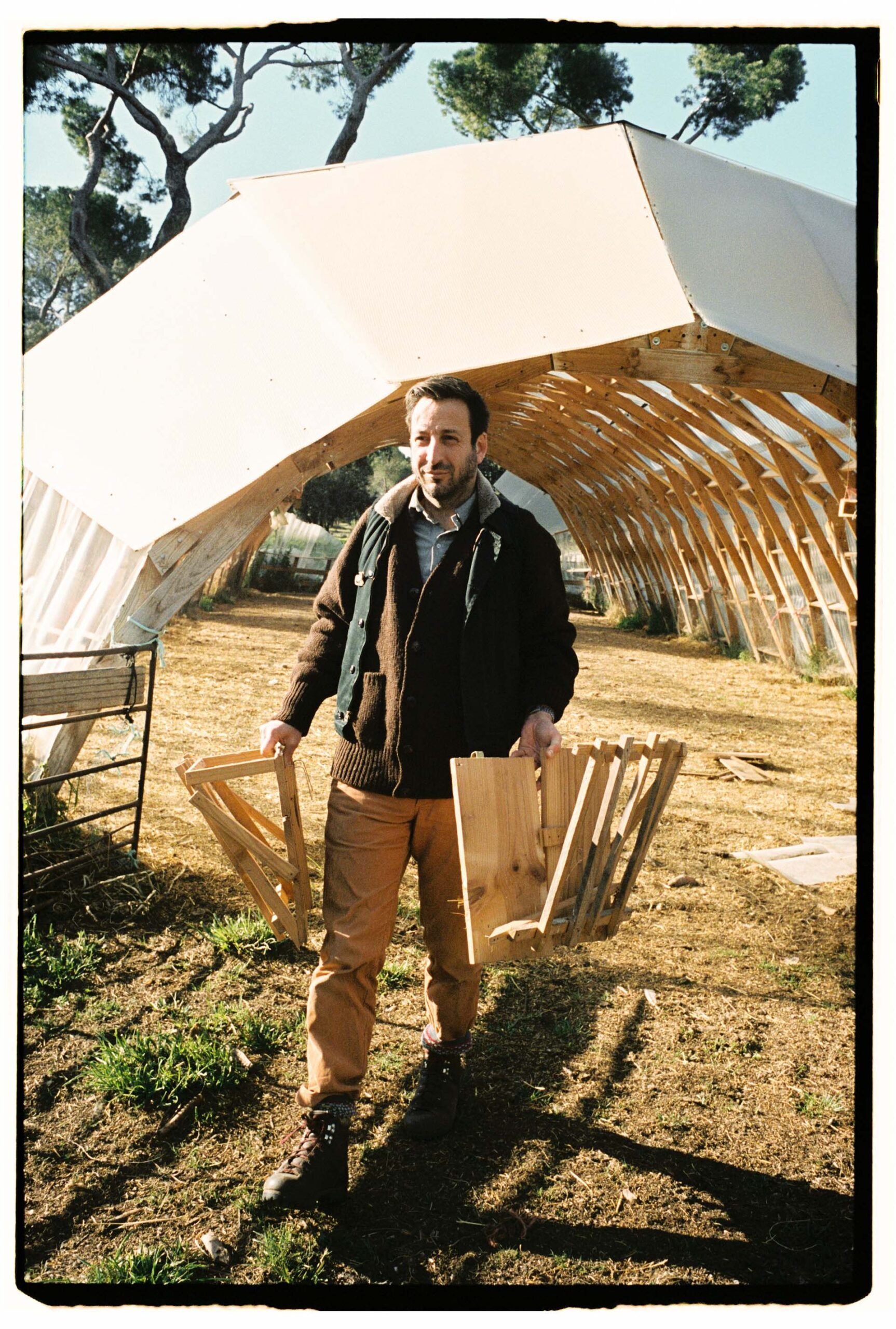
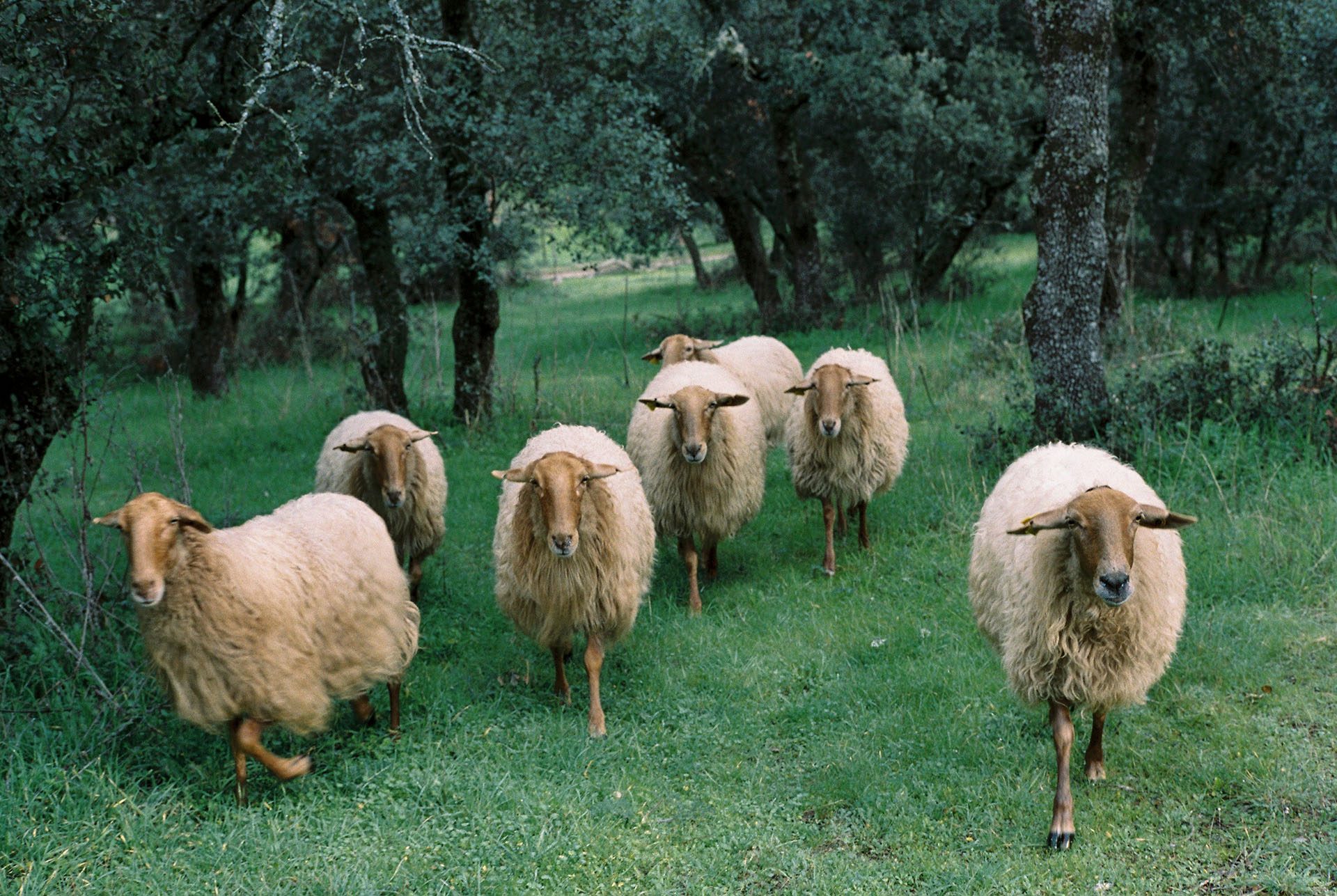
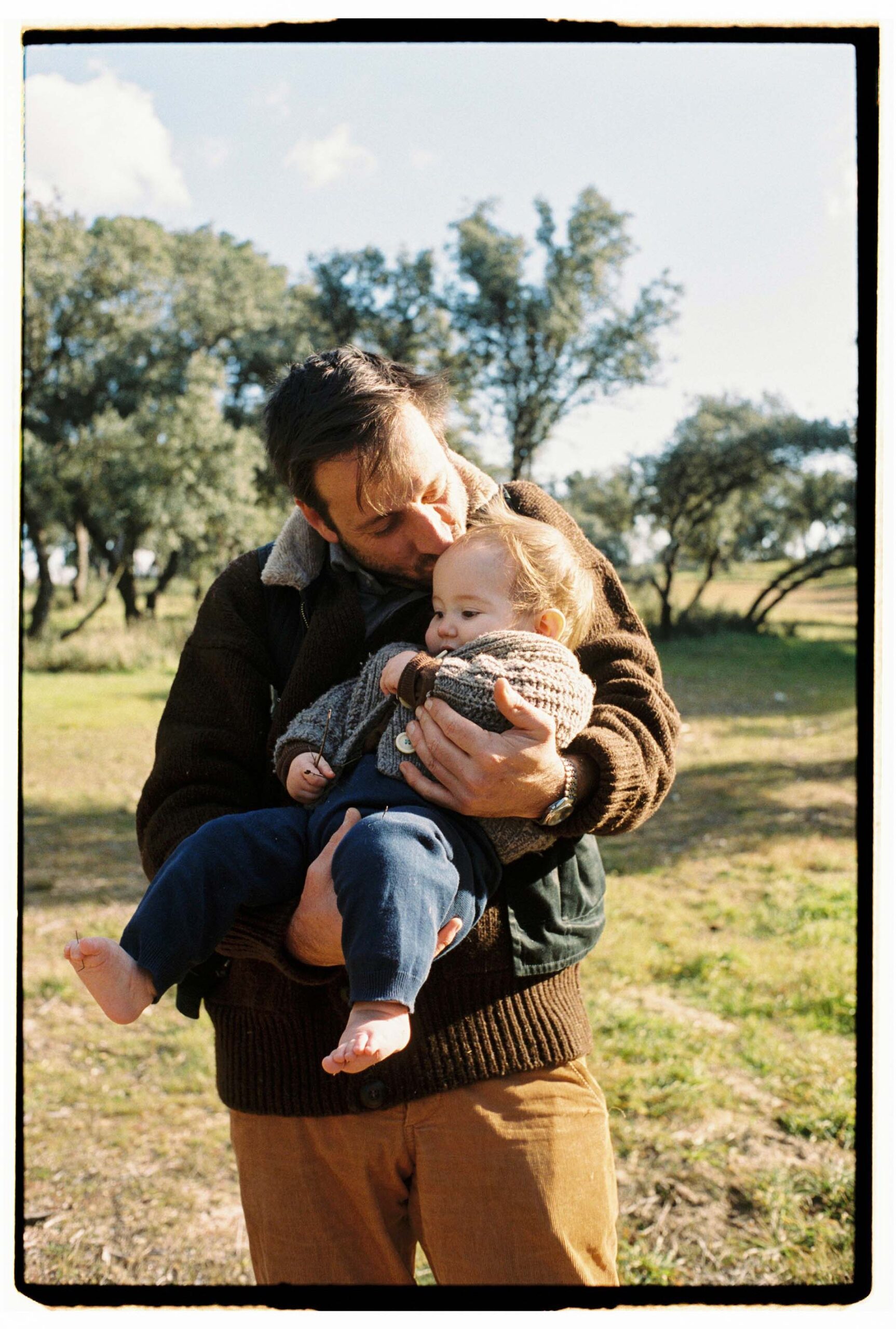
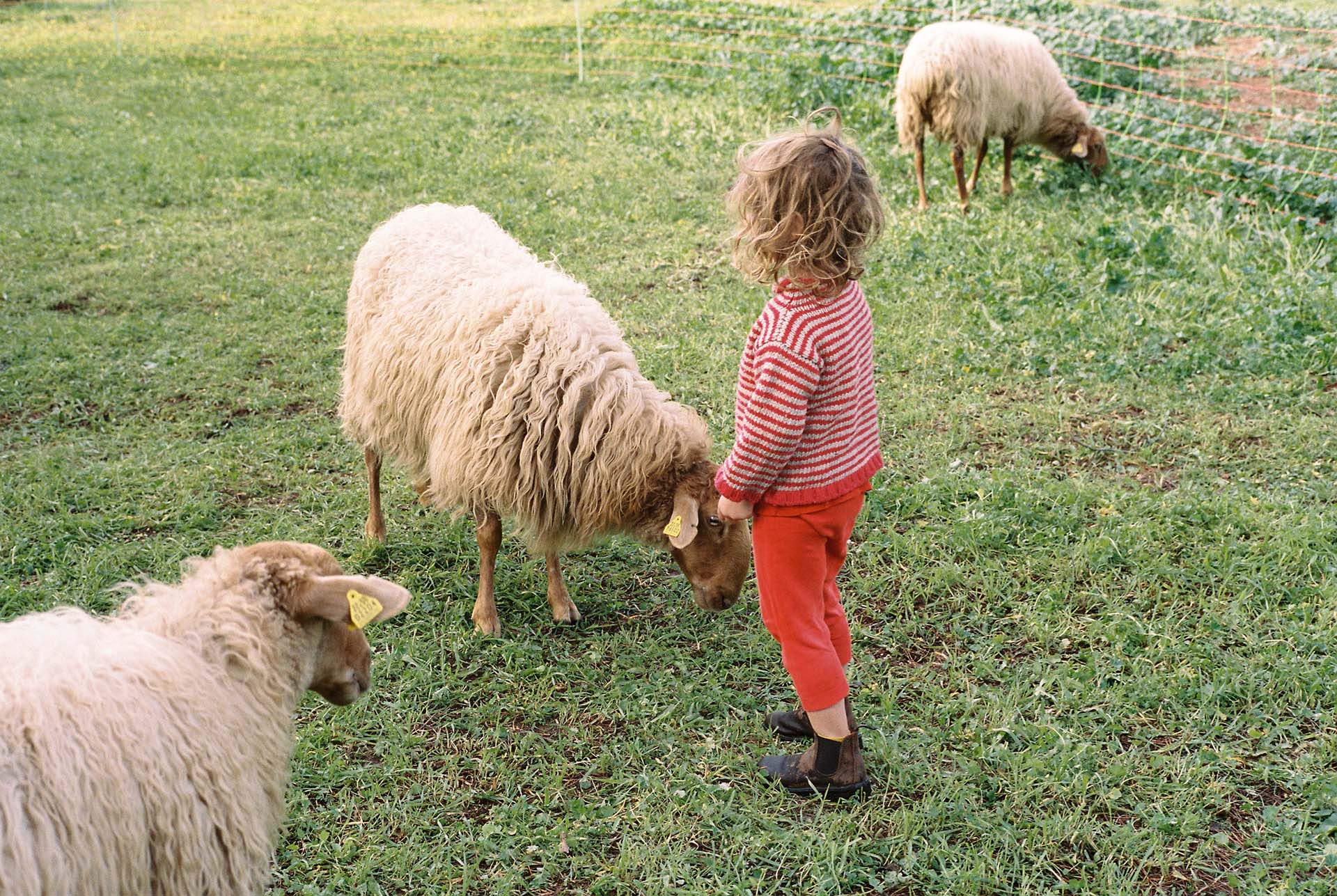
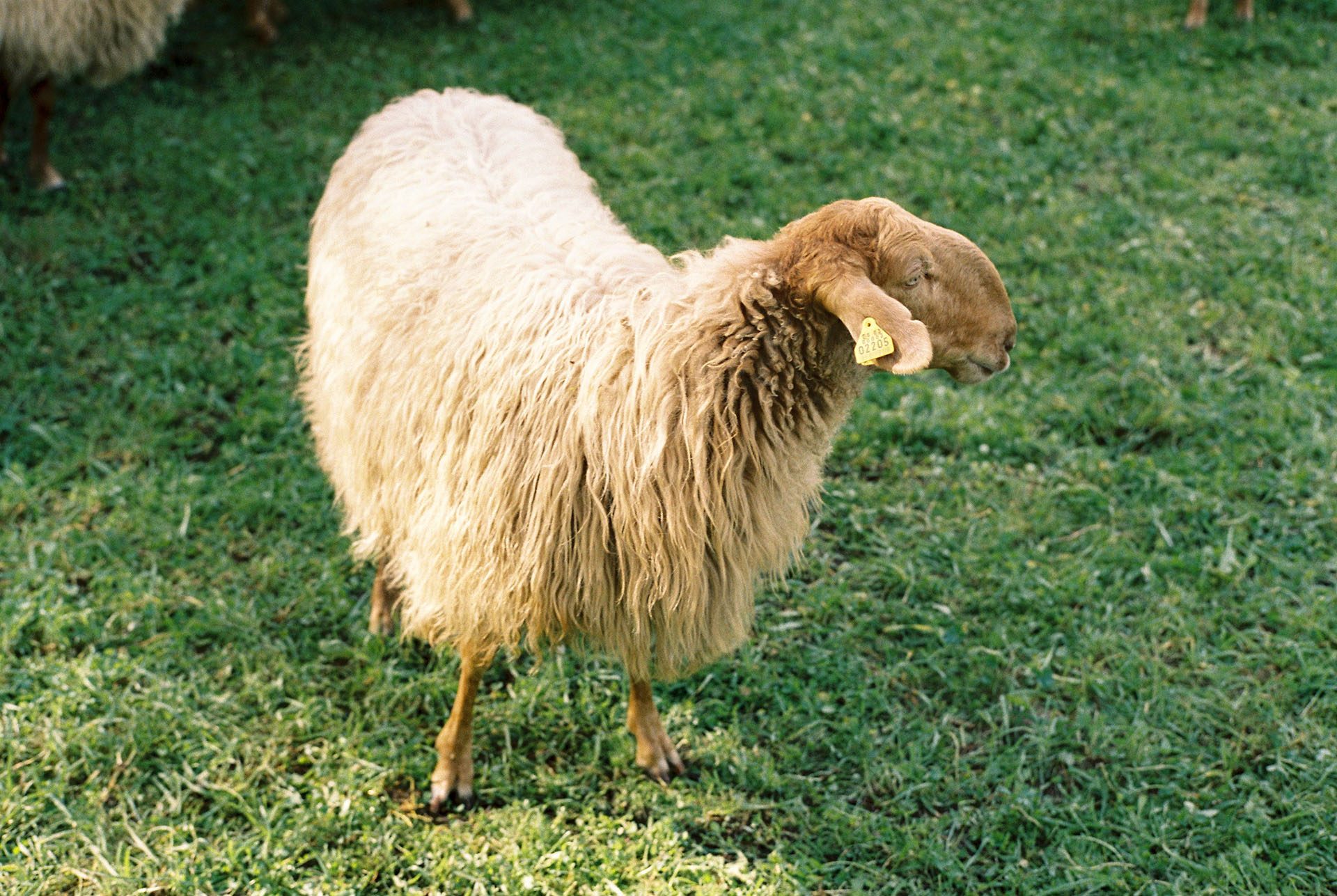
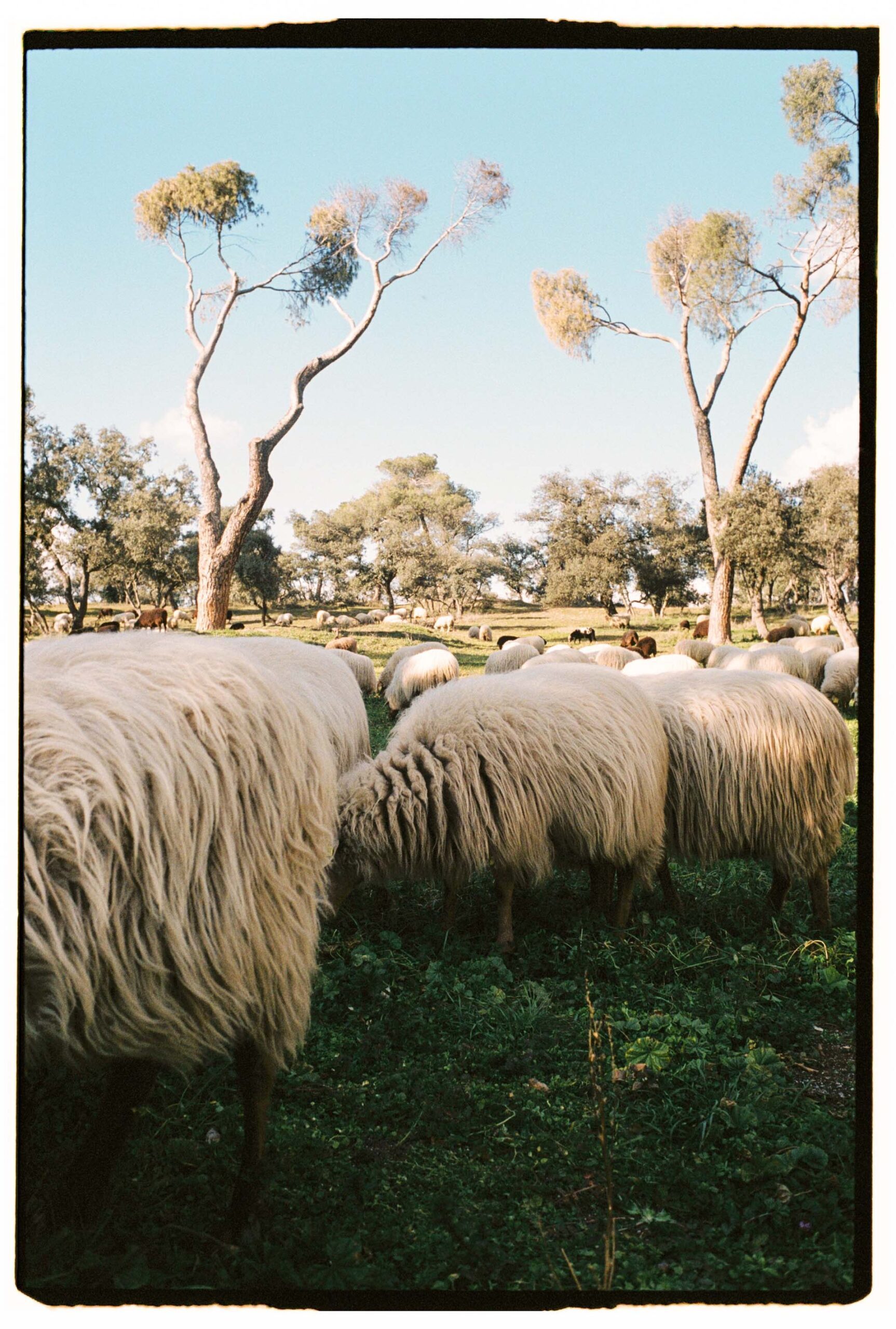
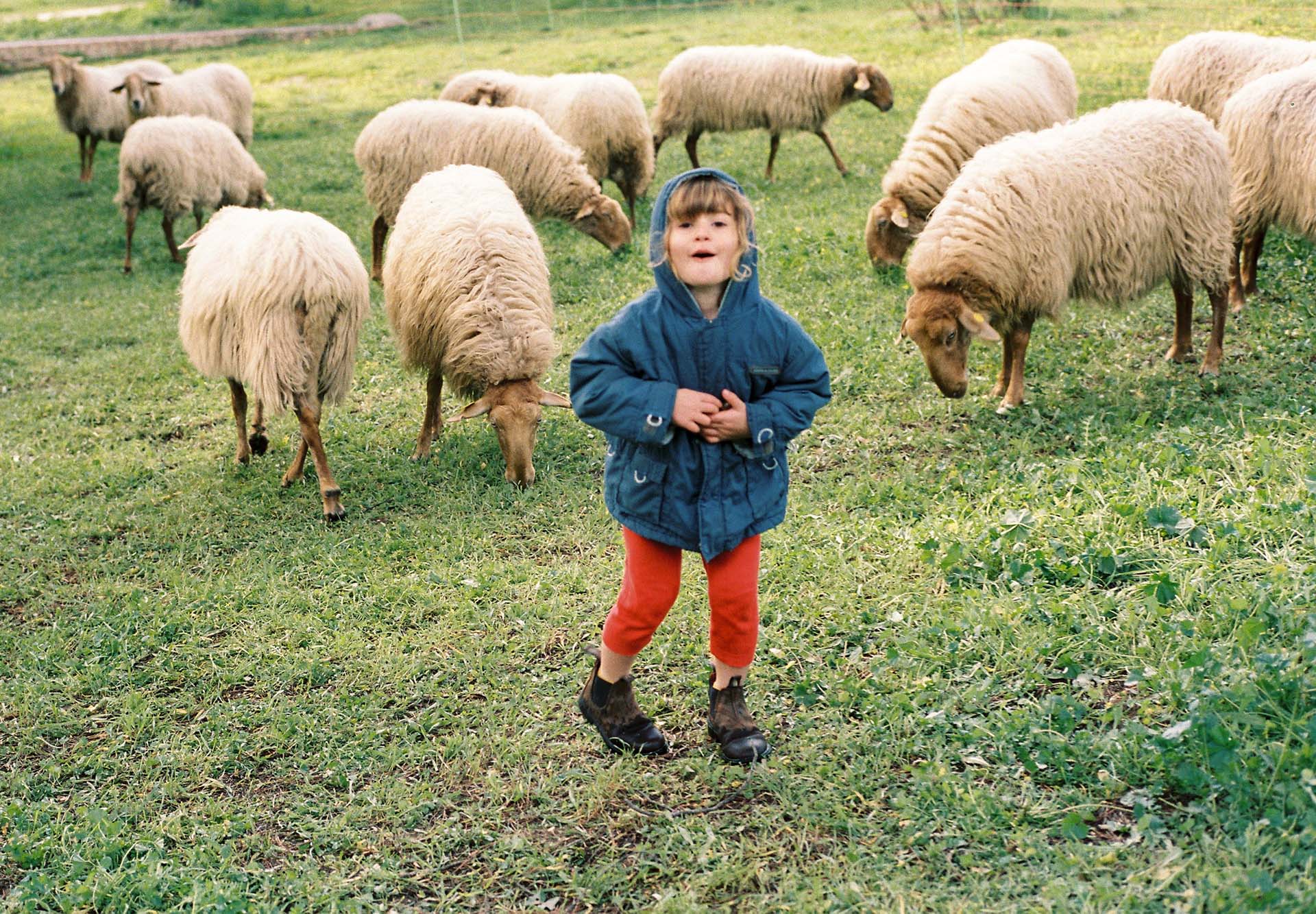
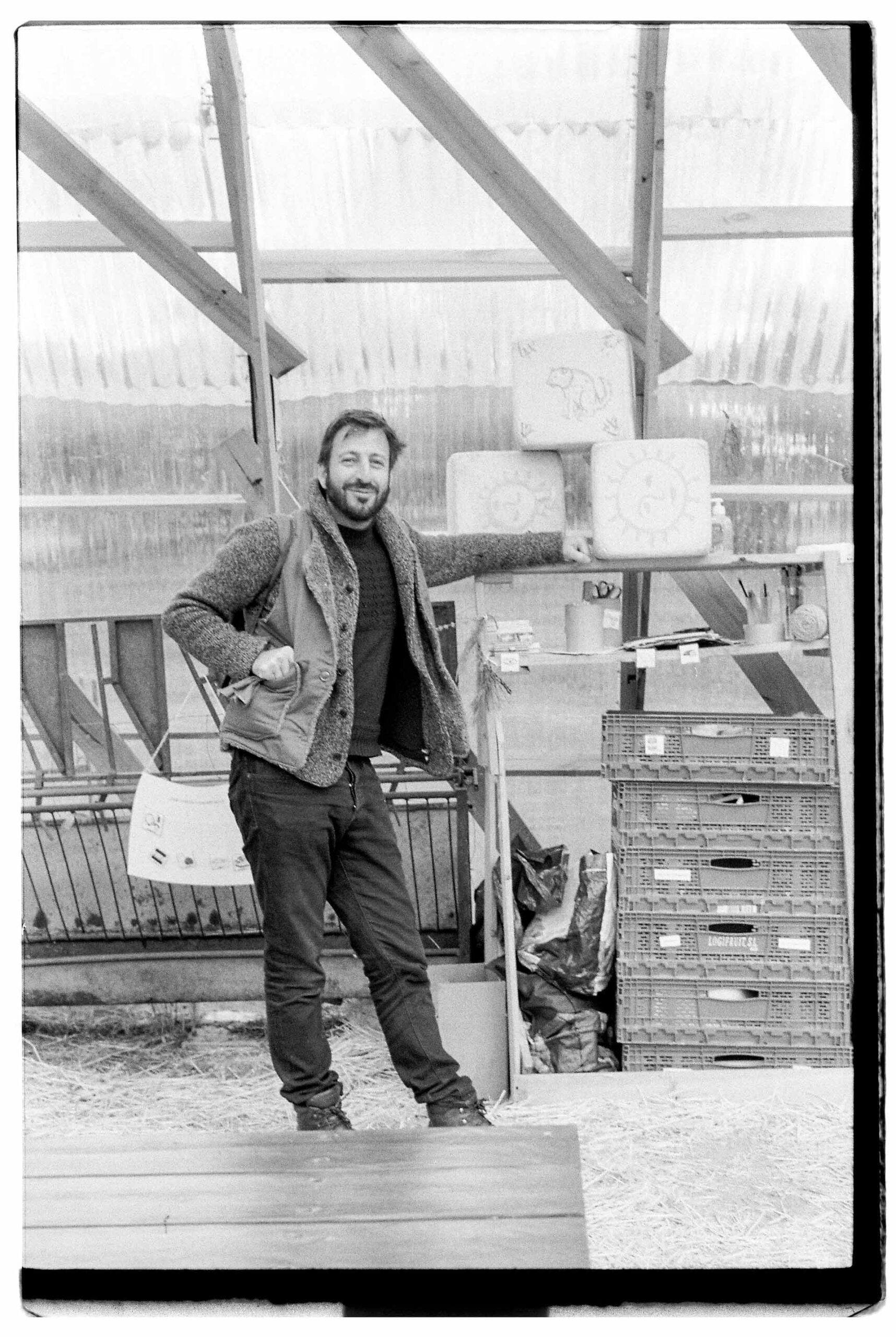
we met fernando the first time a few years back and there was an instant feeling that babaà and his project Inland would collaborate in some way. a few years later when the shepherds school was founded we knew we wanted to support and with the help of all of YOU we began the shepherds sale.
we wanted to share a bit more about Fernando and his background and what drives him and his Inland project because it is so special and his mission is so dear to our hearts and our mission at babaà.
Q & A with Fernando Dory
Describe where you grew up.
I grew up between the mountains in the north of Spain, a region where pastoralism and cheese making culture is very strong, and the city of Madrid. I always felt a strong contrast between these different forms of living. It made me question the unsustainable forms in which our society and economic model is organised, promoting vast urban concentration and abandoning the rural.
How did you first learn of babaà?
Marta and I both have ancestors coming from the land, we share the same interests and points of view, and feel the urge to act, consciously. I admire Marta´s capacity to bring together beautiful and very functional work to highlight the value of natural fibers and wool production; a craft that is often forgotten in a world dominated by fast consumption and synthetic materials. Marta’s work with babaà supports the local and sustainable pastoralist systems we also want to promote, through our Shepherds School and the transhumance or seasonal movement of the flocks of sheep.
I remember a few days after we spoke she just came to the middle of the forest where we had the sheep with her kids and her old camera, and got beautiful pictures and an honest and firm commitment to support our activities.
What is Inland? What brought you to this type of work?
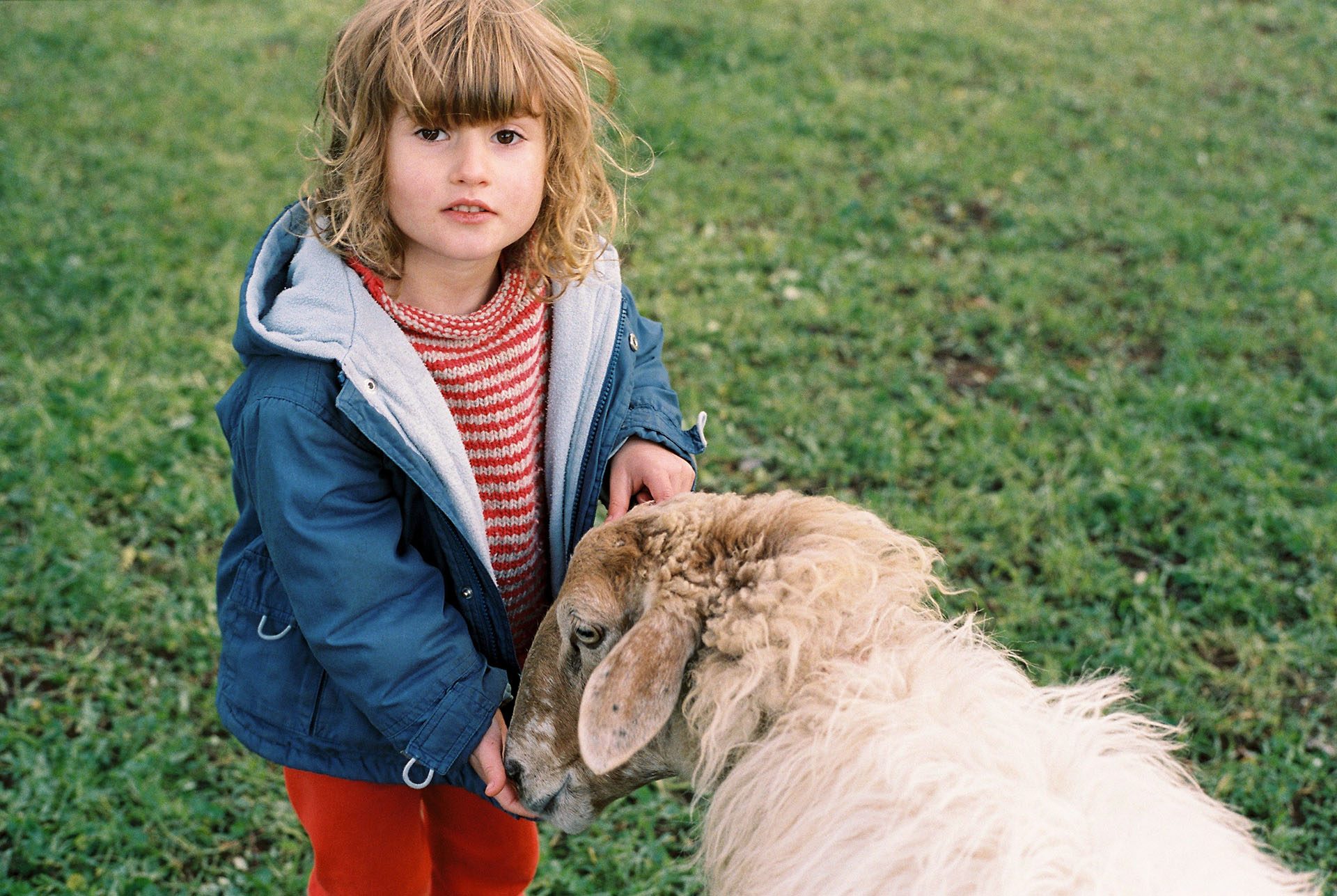
Inland is an organisation, non-profit, and a collective of around eleven people. We bring together cultural strategies to reposition the rural in our contemporary world. We seek to build alternative forms of life that are environmentally sustainable, economically feasible and socially fair. Among our programs, we support migrants and refugees that come to Europe by offering free training and job opportunities. We organize educational visits to our Forest-Flock-Classroom in a big park in the city for school children and refugee families.
The classroom and the Shepherds School training is thanks to babaà‘s support.
We also organise artists´residencies at our spaces and produce artworks and exhibitions that connect contemporary art and culture with the rural legacies and visions for the future. We are tentatively experimenting with our alternative currency, the Cheesecoin and we run a postgraduate called the Inland Academy. We promote the use of sheep trails to move flocks from pasture areas seasonally, a practice that promotes biodiversity, enhances soil fertility and prevents fires. We also have the Office for Direct Cultivation to guide and advise others willing to start their own projects combining arts and culture and the land.
Why did you choose to form a Shepherds´ School? Who does the school normally attract as a student?
When I was in the mountains I saw a very important culture and form of land management fading out. Just eight shepherds were active in 2004 when I studied this form of life, down from over a thousand in the sixties . The decline of pastoralism and its products, like wool, is directly connected with the expansion of industrial capitalism, and policies that favour the concentration of population in the cities, fossil fuel-based materials in fast fashion and the loss of food sovereignty and disempowerment of peasant and indigenous peoples. When I studied in the city I found that many young people, with no direct link to the countryside, were craving nature, and starting to create this change in their own lives. The Shepherds School allows a system to transfer knowledge from the veteran shepherds close to their retirement and interested participants. The students are usually around 25 to 45 years old, sometimes with university degrees, a majority are women. We also offer free scholarships for migrants and refugees. There is a month of theory with different disciplines, from Mountains Ecology to Cheese Making or Zootecnics and Veterinary. And then some weeks of practice in the mountains with our flock, accompanied by shepherds tutors. The project has been growing and we shared our experience with other regions to replicate it in other schools. Hundreds have been trained and we have 25 % new shepherds installed in the land.
What is your perfect day in Madrid?
I am not in Madrid all the time, I come from time to time for activities at our space in the city, the Centre for the Approach of the Rural, particularly when we have the sheep in the park here in town. Being with them outdoors, enjoying the pace and welcoming kids or families visiting, having a cheese picnic on the grass, is very much my favourite thing to do in Madrid.
Thank you Fernando and Mohammed for your time and smiles always x